
 WeChat:





You Are Here:Home > News Center
> Industry dynamics
News navigation
Recommended news
- For ward nutritional support, what feeding and nursing challenges can the WSF1201 Enteral Feeding Ba
- WSLN7503 Disposable Leg Bag, Portable Leg Secured External Urine Collection Drainage Bag, Medical Co
- Clinical Nursing Consumables Supporting: Structural Features & Clinical Working‑Condition Analysis o
- What is the function of precision urine bags
- What are the main functional aspects of gastrointestinal nutrition bags
Recommended products
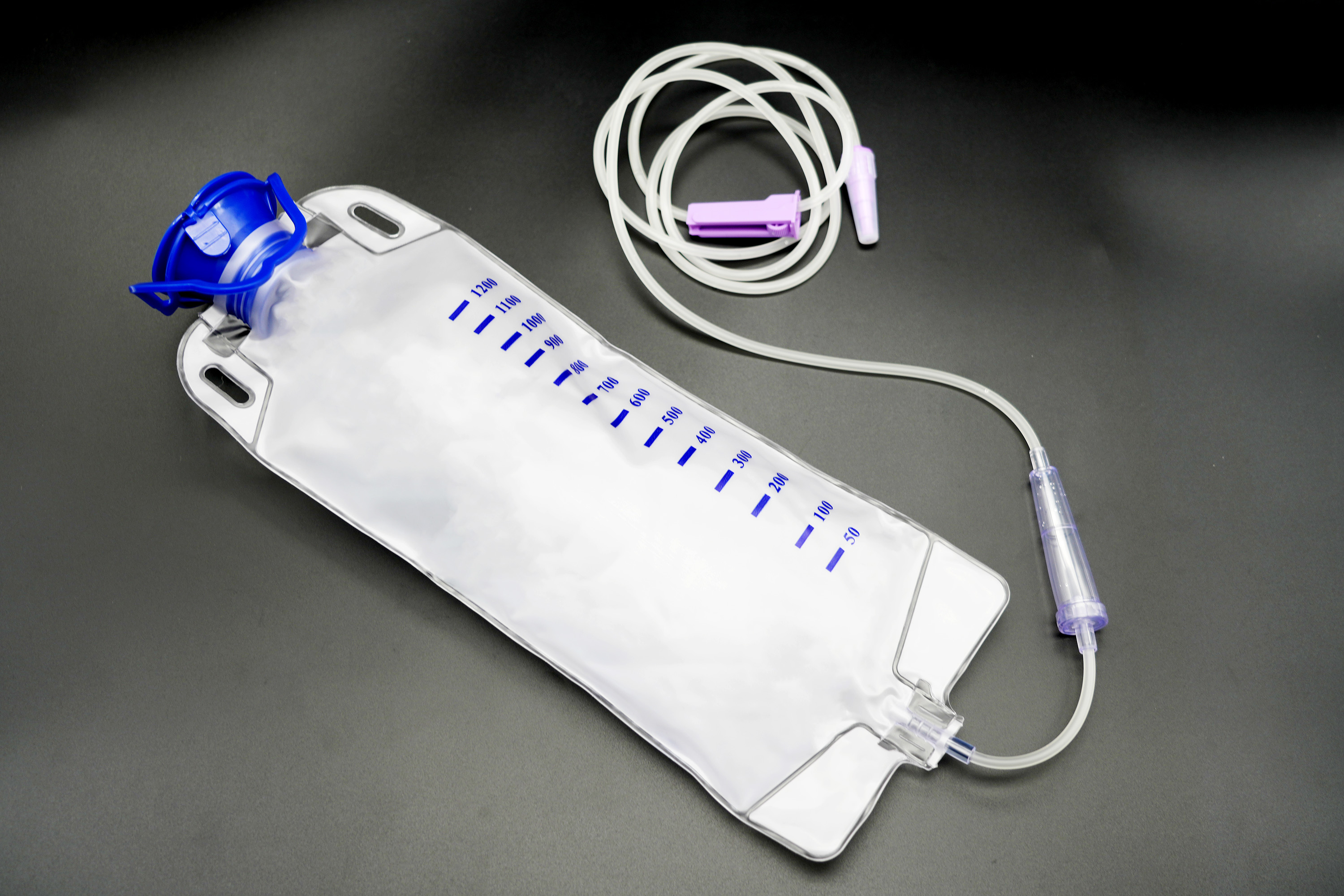
For ward nutritional support, what feeding and nursing challenges can the WSF1201 Enteral Feeding Ba
source:www.wilsonjin.com | Release time:2026-11-16
In clinical wards, patients with swallowing disorders, postoperative debilitation or consciousness disorders require enteral nutrition supplementation. As a single-use consumable for enteral infusion, the WSF1201 Enteral Feeding Bag is made of medical composite film, equipped with tubing and flow regulating components. It suits nutrition feeding operations in wards of various departments and reduces the daily workload of nursing staff.
In neurology ward care scenarios, many patients suffer from impaired swallowing function and face choking risks during oral feeding. The WSF1201 Enteral Feeding Bag can be connected to nasogastric tubes for continuous nutrition infusion. Graduated marks on the bag allow medical staff to directly monitor the volume of infused nutrient solution. Together with the flow regulator, it controls delivery speed and alleviates discomfort caused by a large volume of nutrient solution entering the digestive tract within a short period. Individually sterile packed, the bag can be used immediately after opening, eliminating repeated cleaning and disinfection steps and fitting the workflow of rotational care for multiple patients in wards.
Surgical postoperative recovery wards: patients receiving abdominal or digestive tract surgery need gradual enteral nutrition. Gastrointestinal tolerance remains poor in the early postoperative stage, requiring fractional liquid feeding. The feeding bag can be filled with a corresponding dose of nutrient solution at one time, hung beside the hospital bed for constant-rate infusion. The kink-resistant tubing will not twist and block delivery when patients turn slightly, lowering the frequency of repeated inspection and tubing reset by nurses. It is discarded after single use to avoid microbial growth caused by repeated container use and comply with hospital infection control requirements.
Long-term nutritional support in intensive care units: critically ill patients need uninterrupted enteral nutrition supply. The WSF1201 Enteral Feeding Bag supports continuous infusion mode. Its large-capacity design reduces frequent consumable replacement. The sealed bag inlet reduces the risk of external contaminants entering during nutrient filling, meeting strict infection prevention standards in critical care areas. The matching tubing connector fits conventional feeding tubes without extra adapters, enabling medical staff to replace consumables rapidly.
Gastroenterology wards: patients with digestive tract diseases need homogenized meals or liquid nutritional preparations. Such materials contain fine solid particles. The tubing bore of this product is designed for transporting homogenized liquid food and reduces the risk of tube blockage. The bag material is compatible with room-temperature nutrient solution and easy to fill. Nurses can prepare liquid nutrition in batches and distribute it to each hospital bed, optimizing the meal preparation process in wards.
Transitional home care for long-term bedridden patients in rehabilitation wards. After their conditions stabilize, some patients are transferred to rehabilitation wards for long-term care. The WSF1201 Enteral Feeding Bag features simple operation. Nurses can teach caregivers the whole procedure of filling, hanging and adjusting flow rate to facilitate continuous enteral feeding afterwards. The soft bag occupies little bedside space when hung, suitable for densely arranged beds in rehabilitation wards.
The WSF1201 Enteral Feeding Bag is sterilized before delivery and individually sealed, suitable for bulk stocking via centralized hospital procurement. Compatible with various liquid enteral nutrition preparations and homemade homogenized meals, its matching regulating components allow medical staff to adjust infusion rhythm as required. We supply standardized enteral infusion consumables for hospital wards and rehabilitation institutions to match enteral nutrition support plans for different patients.
Previous:
period
Next:
WSLN7503 Disposable Leg Bag, Portable Leg Secured…

- Urine Bag
- Leg Bag
- Urine Meter
- Feeding Set
Product Center
- Urine Bag
- Leg Bag
- Urine Meter
- Feeding Set
Direct train
- Company news
- Industry dynamics
News Center
- Company Profile
- Honorary qualifications
About Us
Copyright © 2021- 常熟市伟盛医疗用品有限公司
技术支持:蓝戈链企
 home
 WeChat
 telephone